
Trendy Sydney apartments in 2026 are defined by design that prioritises light and indoor-outdoor flow, building amenity such as co-working and wellness spaces, sustainability features, and location in emerging transit-connected precincts. The trends that last are those tied to liveability and fundamentals, transit, light, flexibility, rather than cosmetic styling fads.
8 min read | Sydney Lifestyle | Last reviewed June 2026
Trendy is a moving target, but the apartment trends worth buying into are the ones grounded in liveability rather than fashion. This guide covers what makes a Sydney apartment genuinely on-trend in 2026, the emerging precincts attracting younger buyers and renters, and how to tell a durable trend from a passing fad.
What makes an apartment trendy in 2026
The apartments attracting the most demand in 2026 share a set of features that have moved from premium to expected. Trendy now means liveable, sustainable and connected, rather than simply stylish:
- Abundant natural light and genuine indoor-outdoor flow
- Flexible spaces that support hybrid working
- Resort-style and wellness amenity in the building
- Energy efficiency and sustainability features
- A transit-connected, walkable location
Design trends that matter
The interior and design trends shaping desirable Sydney apartments:
- Light-first design: floor-to-ceiling glazing, dual aspect, wintergardens
- Flexible rooms: study nooks and multi-purpose spaces for hybrid work
- Natural materials and warm palettes: timber, stone, considered neutral tones
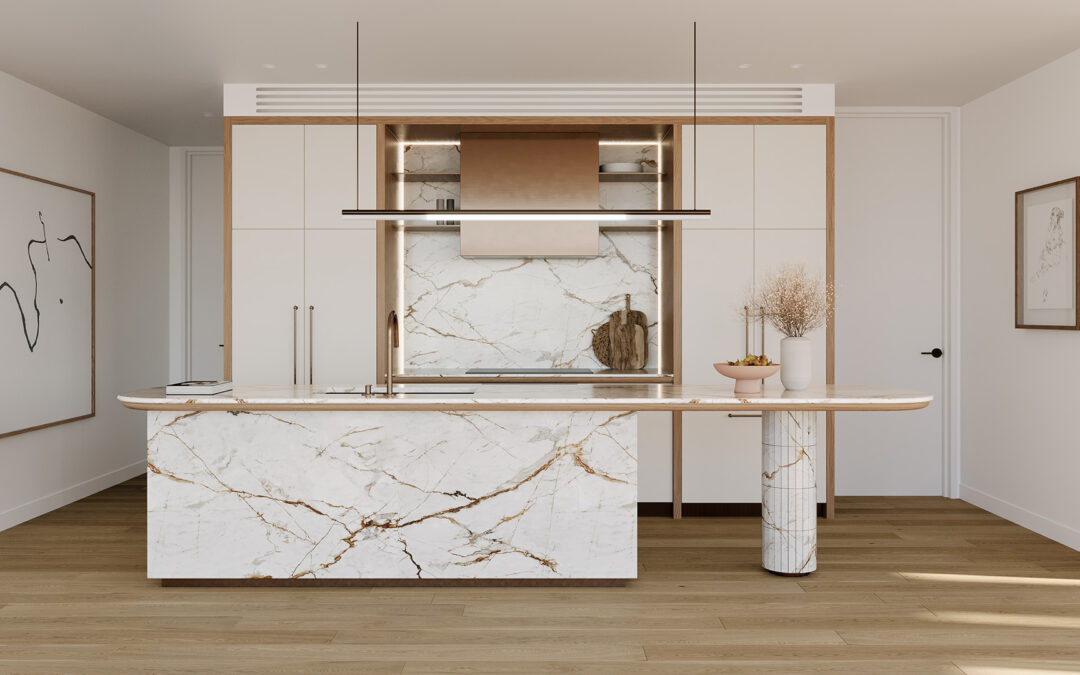
- Integrated, considered kitchens: quality appliances, generous bench space
- Indoor-outdoor continuity: balconies and wintergardens as genuine living space
Amenity trends
Building amenity has become a primary driver of apartment appeal, especially for younger buyers and renters:
- Co-working spaces and residents’ lounges
- Wellness amenity: gyms, yoga and recovery spaces, pools
- Communal gardens, BBQ and rooftop entertaining
- EV charging and secure bicycle storage
- Pet-friendly design and by-laws
The amenity trend reflects how people actually live now: working partly from home, valuing wellness and community, and wanting lock-and-leave convenience. Amenity that supports this, co-working, wellness, social space, is the durable kind, not a passing fad.
Emerging Sydney precincts
The precincts attracting trend-conscious buyers combine relative affordability with strong transit and amenity trajectories:
| Precinct | The appeal |
|---|---|
| Rhodes | Waterfront, walkable, rail + ferry |
| Wentworth Point | Waterfront, Olympic Park, future metro |
| West Ryde | Transit village, value entry, schools |
| Chatswood | Retail hub, metro, dining scene |
Trends that last vs fads
Not every trend is worth buying into. The distinction:
- Durable trends: tied to fundamentals, transit access, natural light, flexible space, sustainability, genuine amenity. These add lasting value
- Fads: cosmetic styling, fashionable colours or fittings that date quickly, gimmicky amenity that becomes a strata cost burden
The test is simple: will this still be valued in 10 years? Light, location and flexibility will be. A trendy splashback colour will not.
Buying into durable trends
To buy into trends that last rather than fade, prioritise the structural over the cosmetic: a transit-connected location, an apartment with light and flexible layout, a building with genuinely usable amenity, and a developer with a verified iCIRT rating who builds to last. Cosmetic styling can be updated; location, light and build quality cannot.
Frequently asked questions
Trendy now means liveable, sustainable and connected rather than simply stylish: abundant natural light and indoor-outdoor flow, flexible spaces supporting hybrid work, resort-style and wellness amenity, energy efficiency, and a transit-connected walkable location.
Light-first design (floor-to-ceiling glazing, dual aspect, wintergardens), flexible rooms for hybrid work, natural materials and warm palettes, integrated quality kitchens, and genuine indoor-outdoor continuity where balconies and wintergardens function as living space.
Co-working spaces and residents’ lounges, wellness amenity (gyms, yoga and recovery spaces, pools), communal gardens and rooftop entertaining, EV charging and secure bicycle storage, and pet-friendly design and by-laws. This amenity reflects how people actually live now.
Precincts combining relative affordability with strong transit and amenity trajectories: Rhodes (waterfront, rail and ferry), Wentworth Point (waterfront, Olympic Park, future metro), West Ryde (transit village, value entry) and Chatswood (retail hub, metro, dining).
Durable trends are tied to fundamentals: transit access, natural light, flexible space, sustainability and genuine amenity. Fads are cosmetic: fashionable colours or fittings that date, or gimmicky amenity that becomes a strata cost burden. The test is whether it will still be valued in 10 years.
Buy into structural trends, not cosmetic ones. Prioritise a transit-connected location, an apartment with light and a flexible layout, a building with genuinely usable amenity, and a developer with a verified iCIRT rating who builds to last. Cosmetic styling can be updated; location, light and build quality cannot.
Billbergia’s apartments across Rhodes, Wentworth Point, West Ryde (West Parade), Chatswood (Chatswood Grand Residences) and North Sydney (88 Walker Street) combine the durable trends, light-first design, genuine amenity and transit-connected locations. Register at billbergia.com.au.
Help others by sharing this guide.
Worked with Billbergia? Help others by leaving a review.
Explore on-trend Sydney apartments
Register your interest for first-look access to Billbergia apartments designed around the trends that last.
Information current as of June 2026. Sources: CoreLogic, Green Building Council Australia, NSW Planning Portal, and Billbergia project documentation. General lifestyle and market commentary, not financial or property advice.